
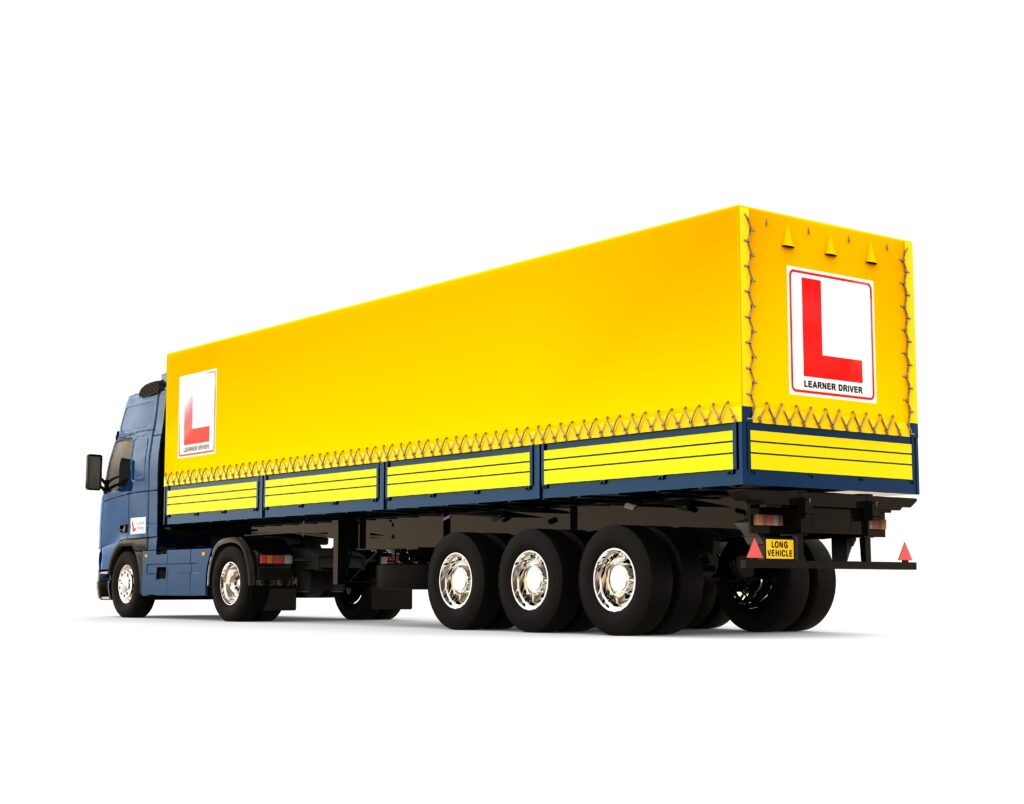
Learn To Drive a LGV Vehicle
Learning to Drive Lorries in the UK: Why Becoming an LGV Driver Could Be Your Best Career Move
If you’ve ever wondered who keeps supermarket shelves stocked, construction sites moving, and businesses running day and night — the answer is simple: lorry drivers. In recent years, learning to drive lorries in the UK has become not just a practical skill, but a smart career choice with long-term benefits.
Whether you’re changing careers, looking for job security, or simply enjoy life on the road, becoming an LGV (Large Goods Vehicle) driver opens the door to a profession that’s in high demand and full of opportunity.
What Does It Mean to Learn to Drive Lorries?
Learning to drive lorries involves training to gain an LGV licence (often called an HGV licence). Depending on the vehicle type, this can include:
- Category C (rigid lorries)
- Category C+E (articulated lorries)
Alongside driving skills, you’ll also complete Driver CPC (Certificate of Professional Competence) training, which ensures you meet professional driving standards for safety, compliance and real-world situations.
The process is structured, well-regulated, and designed to help new drivers succeed — even if they’ve never driven anything larger than a car before.
Why LGV Driving Is in Demand
The UK relies heavily on road transport, and qualified LGV drivers are essential. From food and fuel to building materials and medical supplies, almost everything we use has been carried by a lorry at some point.
As a result:
- LGV drivers are consistently in demand
- Many employers actively recruit newly qualified drivers
- Job opportunities exist across the UK, in cities and rural areas alike
This demand translates into career stability, even during uncertain economic times.
The Benefits of Learning to Drive Lorries
1. Strong Earning Potential
LGV driving offers competitive pay, often higher than many entry-level roles in other industries. With experience, specialist work (such as night driving, tankers, or ADR transport), and flexible shifts, earnings can increase significantly.
For many drivers, it’s a chance to earn a solid income without needing years of academic study.
2. A Clear Route Into a New Career
Unlike some professions that require long retraining periods, learning to drive lorries can be relatively quick. With the right support, many people go from car driver to qualified LGV driver in a matter of months.
It’s a practical, skills-based route that suits people who prefer hands-on learning over classroom study.
3. Job Variety and Flexibility
No two days are exactly the same in lorry driving. Roles range from:
- Local deliveries with regular hours
- Long-distance trunking
- Night shifts or weekend work
- Specialist transport roles
This flexibility allows drivers to choose work that fits their lifestyle — whether that’s predictable routines or varied routes across the country.
4. Independence and Responsibility
LGV drivers often enjoy a level of independence that’s hard to find in office-based roles. You’re trusted with valuable loads, responsible for your vehicle, and relied upon to deliver safely and on time.
For many, this sense of responsibility and autonomy is a huge job satisfaction boost.
5. Transferable Skills for Life
Learning to drive lorries builds skills that last well beyond the licence itself:
- Advanced road awareness
- Vehicle safety and checks
- Time management and planning
- Professional conduct and compliance
These skills are respected by employers and useful in many transport and logistics roles.
Is LGV Driving Right for You?
LGV driving suits people who:
- Enjoy driving and working independently
- Prefer practical, real-world tasks
- Want a stable, long-term career
- Are comfortable with responsibility
- Value flexibility over a traditional 9-to-5 office job
You don’t need prior experience with large vehicles — just a car licence, the right attitude, and a willingness to learn.
Support Makes All the Difference
One of the biggest misconceptions is that learning to drive lorries is difficult or overwhelming. In reality, with professional training and structured support — from medical checks and theory preparation through to practical driving and CPC tests — the process is clear, achievable, and well supported.
Good training providers guide you step by step, helping you build confidence and competence at every stage.
Final Thoughts
Learning to drive lorries in the UK isn’t just about gaining a licence — it’s about opening the door to a reliable, respected, and rewarding career. With strong demand, competitive pay, and a wide range of opportunities, LGV driving offers a future with stability and growth.
If you’re looking for a career that keeps the country moving — and gives you real independence along the way — learning to drive lorries could be the road worth taking.