WeTrainLGV

Loading

All posts by 819646pwpadmin

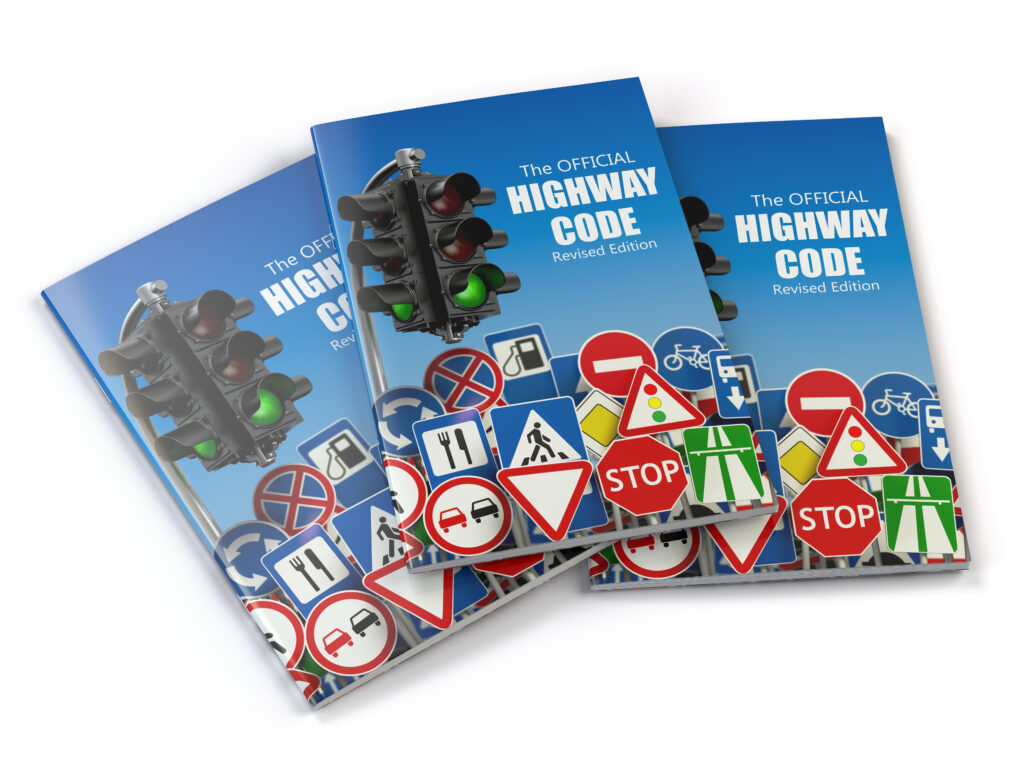
Highway Code

The Highway Code Explained: Why It Matters for Every Road User in the UK

The Highway Code is the foundation of road safety in the UK. It sets out the rules, guidance and best practices that all road users — drivers, cyclists, pedestrians and professional LGV drivers — must follow to use the roads safely and legally.

Whether you are learning to drive, driving for work, or simply using the roads daily, understanding the Highway Code is essential for safe driving, legal compliance and accident prevention.


What Is the Highway Code?

The Highway Code is the UK government’s official guide to road rules and traffic laws. It explains:

  • UK road signs, signals and markings
  • Rules for car drivers, motorcyclists and LGV drivers
  • Guidance for cyclists, pedestrians and horse riders
  • Safe behaviour at junctions, crossings and roundabouts

The Highway Code applies across England, Scotland and Wales and is used by the DVSA to set driving standards and testing criteria.


Why the Highway Code Is Important for Road Safety
1. Reduces Road Traffic Accidents

Following the Highway Code helps reduce road traffic collisions, injuries and fatalities. Many accidents happen due to misunderstanding priority rules, speed limits or safe road positioning — all covered in the Code.

By following Highway Code guidance, drivers create predictable, safer driving environments for everyone.


2. Applies to All Road Users

The Highway Code is not just for drivers. It provides essential guidance for:

  • Pedestrians crossing roads safely
  • Cyclists using junctions and cycle lanes
  • Motorcyclists positioning safely in traffic
  • LGV and HGV drivers managing large vehicles and blind spots

Recent updates place greater responsibility on drivers to protect vulnerable road users, reinforcing shared road safety responsibility.


3. Forms the Basis of Driving Tests and CPC Training

The Highway Code underpins:

  • Car and LGV theory tests
  • Hazard perception tests
  • Driver CPC training and assessments

For professional drivers, knowledge of the Highway Code is essential for maintaining high safety standards and legal compliance.


Highway Code Rules: “Must” vs “Should” Explained

Understanding the language of the Highway Code is critical:

  • “MUST” / “MUST NOT”
    These are legal requirements. Breaking them can result in fines, penalty points or prosecution.
  • “SHOULD” / “SHOULD NOT”
    These represent best practice. While not always legal offences, failing to follow them can be used as evidence in court or insurance claims.

Both types of rules exist to promote safe and responsible road use.


The Highway Code and Professional LGV Drivers

For LGV drivers, the Highway Code plays a crucial role in professional driving standards. Larger vehicles require:

  • Increased stopping distances
  • Careful use of mirrors and blind spot awareness
  • Safe positioning at junctions and roundabouts

Adhering to Highway Code guidance helps reduce risk, protect vulnerable road users and meet Driver CPC requirements.


Why Keeping Up to Date with the Highway Code Matters

The Highway Code is updated regularly to reflect changes in:

  • Road layouts and infrastructure
  • Vehicle technology
  • Road safety priorities

Recent updates have strengthened guidance on pedestrian and cyclist priority and shared responsibility. Staying informed helps drivers avoid mistakes and stay compliant with current UK road laws.


How to Use the Highway Code Effectively

To get the most from the Highway Code:

  • Review it regularly, not just when learning to drive
  • Apply guidance to real-world driving situations
  • Stay informed about updates and changes
  • Use it alongside professional training and experience

The full Highway Code is available for free online via GOV.UK.


Final Thoughts: The Highway Code Saves Lives

The Highway Code is more than a driving manual — it is a vital tool for road safety in the UK. Understanding and following it helps prevent accidents, protect vulnerable road users, and create safer roads for everyone.

Whether you’re a learner driver, an experienced motorist, or a professional LGV driver, the Highway Code plays a key role in keeping you — and others — safe on the road.

Road Safety

Road Safety in the UK: Why Safe Driving Matters More Than Ever

Road safety is one of the most important issues facing UK drivers today. Every year, thousands of road traffic accidents cause serious injuries, fatalities, and long-term consequences for families, businesses and communities. Whether you’re a car driver, professional LGV driver, cyclist or pedestrian, safe driving practices save lives.

This blog explores why road safety matters, the most common causes of road accidents in the UK, and practical road safety tips every driver should follow.


What Is Road Safety?

Road safety refers to the laws, behaviours and precautions that reduce the risk of road traffic collisions. It applies to all road users and includes:

  • Following UK traffic laws and the Highway Code
  • Driving with care, attention and awareness
  • Maintaining vehicles to a safe, roadworthy standard
  • Protecting vulnerable road users such as cyclists and pedestrians

Good road safety habits help prevent accidents before they happen.


Why Road Safety Is So Important in the UK

Despite advances in vehicle safety technology, road accidents remain a major cause of injury and death. Common contributing factors include:

  • Speeding and inappropriate speed for road conditions
  • Driver distraction, including mobile phone use
  • Fatigue and poor concentration
  • Failure to observe hazards or other road users

For LGV and HGV drivers, road safety is even more critical due to vehicle size, weight, blind spots and stopping distances. Professional drivers play a vital role in keeping UK roads safe.


Key Road Safety Tips for Drivers
1. Avoid Driver Distractions

Driver distraction is a leading cause of road traffic accidents. Using a mobile phone, adjusting in-vehicle controls, or losing focus for even a second can have serious consequences.

Road safety best practice:

  • Keep phones out of reach
  • Focus fully on driving
  • Take breaks if you feel tired or distracted

2. Drive at a Safe Speed

Speed limits are designed to protect all road users. Driving too fast reduces reaction time and increases braking distance — especially in poor weather or heavy traffic.

Remember: safe speed is not just about the limit, but the conditions.


3. Maintain Safe Following Distances

Tailgating significantly increases the risk of collisions. Always allow enough space between your vehicle and the one in front.

For lorries and large vehicles, maintaining a safe distance is essential due to longer stopping distances.


4. Improve Hazard Awareness

Hazard perception is a core road safety skill. Good drivers scan the road ahead, anticipate risks, and react early.

This includes:

  • Watching for pedestrians and cyclists
  • Reading road signs and markings
  • Anticipating sudden changes in traffic flow

5. Keep Your Vehicle Roadworthy

Vehicle defects can lead to accidents and breakdowns. Regular maintenance improves road safety and legal compliance.

Key checks include:

  • Tyres, lights and brakes
  • Mirrors and visibility
  • Fluid levels

For professional drivers, daily walk-around checks are a legal and safety requirement.


Protecting Vulnerable Road Users

Pedestrians, cyclists and motorcyclists are at greater risk on UK roads. Drivers should:

  • Give cyclists adequate passing space
  • Check blind spots before manoeuvring
  • Reduce speed in built-up and residential areas
  • Be patient and alert in high-risk zones

Safe driving protects those most at risk.


The Role of Training in Road Safety

Driver training and education are essential to improving road safety standards. Ongoing learning helps drivers:

  • Reinforce safe driving habits
  • Stay up to date with UK road laws
  • Improve hazard awareness and decision-making

For professional drivers, Driver CPC training plays a key role in maintaining high road safety standards across the transport industry.


Road Safety Is Everyone’s Responsibility

Road safety is a shared responsibility. Every safe decision — slowing down, staying focused, and showing consideration — reduces the risk of accidents.

When all road users work together, UK roads become safer for everyone.


Final Thoughts: Making UK Roads Safer

Road safety is about more than avoiding fines or passing tests — it’s about protecting lives. By following the Highway Code, maintaining vehicles properly, and driving with care and awareness, drivers can help reduce road accidents and make journeys safer for all.

No matter who you are or what you drive, road safety starts with you.

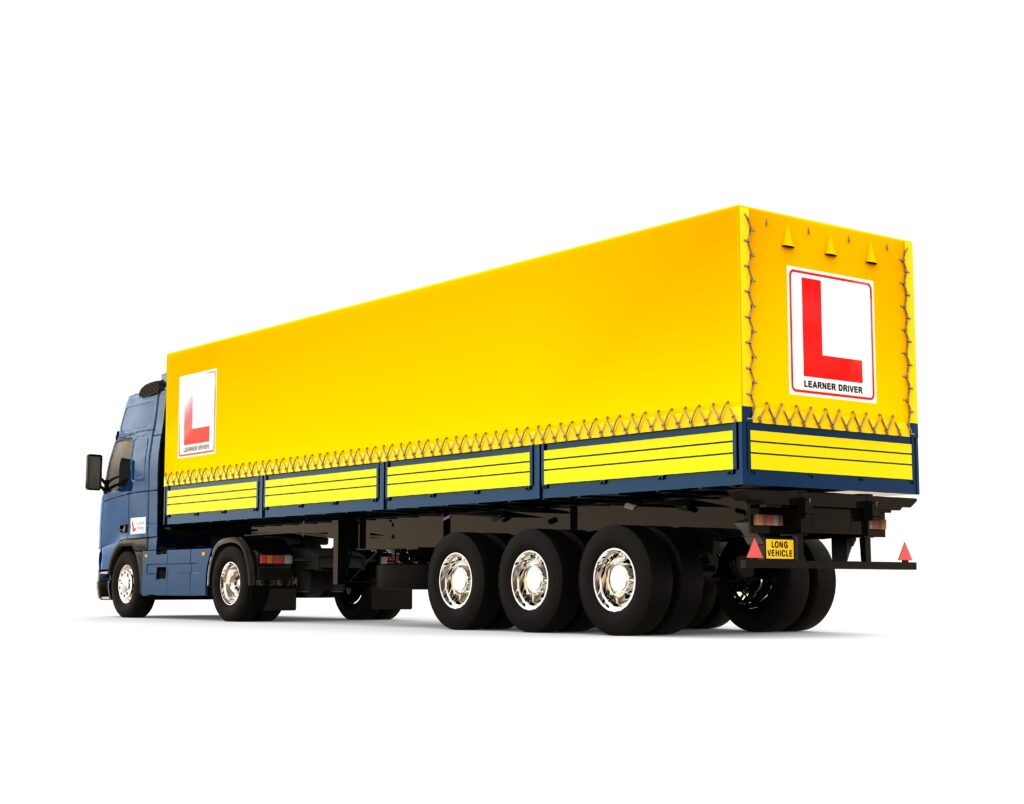
Learn To Drive a LGV Vehicle

Learning to Drive Lorries in the UK: Why Becoming an LGV Driver Could Be Your Best Career Move

If you’ve ever wondered who keeps supermarket shelves stocked, construction sites moving, and businesses running day and night — the answer is simple: lorry drivers. In recent years, learning to drive lorries in the UK has become not just a practical skill, but a smart career choice with long-term benefits.

Whether you’re changing careers, looking for job security, or simply enjoy life on the road, becoming an LGV (Large Goods Vehicle) driver opens the door to a profession that’s in high demand and full of opportunity.


What Does It Mean to Learn to Drive Lorries?

Learning to drive lorries involves training to gain an LGV licence (often called an HGV licence). Depending on the vehicle type, this can include:

  • Category C (rigid lorries)
  • Category C+E (articulated lorries)

Alongside driving skills, you’ll also complete Driver CPC (Certificate of Professional Competence) training, which ensures you meet professional driving standards for safety, compliance and real-world situations.

The process is structured, well-regulated, and designed to help new drivers succeed — even if they’ve never driven anything larger than a car before.


Why LGV Driving Is in Demand

The UK relies heavily on road transport, and qualified LGV drivers are essential. From food and fuel to building materials and medical supplies, almost everything we use has been carried by a lorry at some point.

As a result:

  • LGV drivers are consistently in demand
  • Many employers actively recruit newly qualified drivers
  • Job opportunities exist across the UK, in cities and rural areas alike

This demand translates into career stability, even during uncertain economic times.


The Benefits of Learning to Drive Lorries
1. Strong Earning Potential

LGV driving offers competitive pay, often higher than many entry-level roles in other industries. With experience, specialist work (such as night driving, tankers, or ADR transport), and flexible shifts, earnings can increase significantly.

For many drivers, it’s a chance to earn a solid income without needing years of academic study.


2. A Clear Route Into a New Career

Unlike some professions that require long retraining periods, learning to drive lorries can be relatively quick. With the right support, many people go from car driver to qualified LGV driver in a matter of months.

It’s a practical, skills-based route that suits people who prefer hands-on learning over classroom study.


3. Job Variety and Flexibility

No two days are exactly the same in lorry driving. Roles range from:

  • Local deliveries with regular hours
  • Long-distance trunking
  • Night shifts or weekend work
  • Specialist transport roles

This flexibility allows drivers to choose work that fits their lifestyle — whether that’s predictable routines or varied routes across the country.


4. Independence and Responsibility

LGV drivers often enjoy a level of independence that’s hard to find in office-based roles. You’re trusted with valuable loads, responsible for your vehicle, and relied upon to deliver safely and on time.

For many, this sense of responsibility and autonomy is a huge job satisfaction boost.


5. Transferable Skills for Life

Learning to drive lorries builds skills that last well beyond the licence itself:

  • Advanced road awareness
  • Vehicle safety and checks
  • Time management and planning
  • Professional conduct and compliance

These skills are respected by employers and useful in many transport and logistics roles.


Is LGV Driving Right for You?

LGV driving suits people who:

  • Enjoy driving and working independently
  • Prefer practical, real-world tasks
  • Want a stable, long-term career
  • Are comfortable with responsibility
  • Value flexibility over a traditional 9-to-5 office job

You don’t need prior experience with large vehicles — just a car licence, the right attitude, and a willingness to learn.


Support Makes All the Difference

One of the biggest misconceptions is that learning to drive lorries is difficult or overwhelming. In reality, with professional training and structured support — from medical checks and theory preparation through to practical driving and CPC tests — the process is clear, achievable, and well supported.

Good training providers guide you step by step, helping you build confidence and competence at every stage.


Final Thoughts

Learning to drive lorries in the UK isn’t just about gaining a licence — it’s about opening the door to a reliable, respected, and rewarding career. With strong demand, competitive pay, and a wide range of opportunities, LGV driving offers a future with stability and growth.

If you’re looking for a career that keeps the country moving — and gives you real independence along the way — learning to drive lorries could be the road worth taking.