
How does LGV training differ from standard driving lessons?
Learning to drive is a significant milestone, but have you ever wondered how LGV (Large Goods Vehicle) training differs from standard driving lessons? Both paths lead to a driving licence, but the journeys are remarkably different, tailored to the unique demands of each vehicle type.
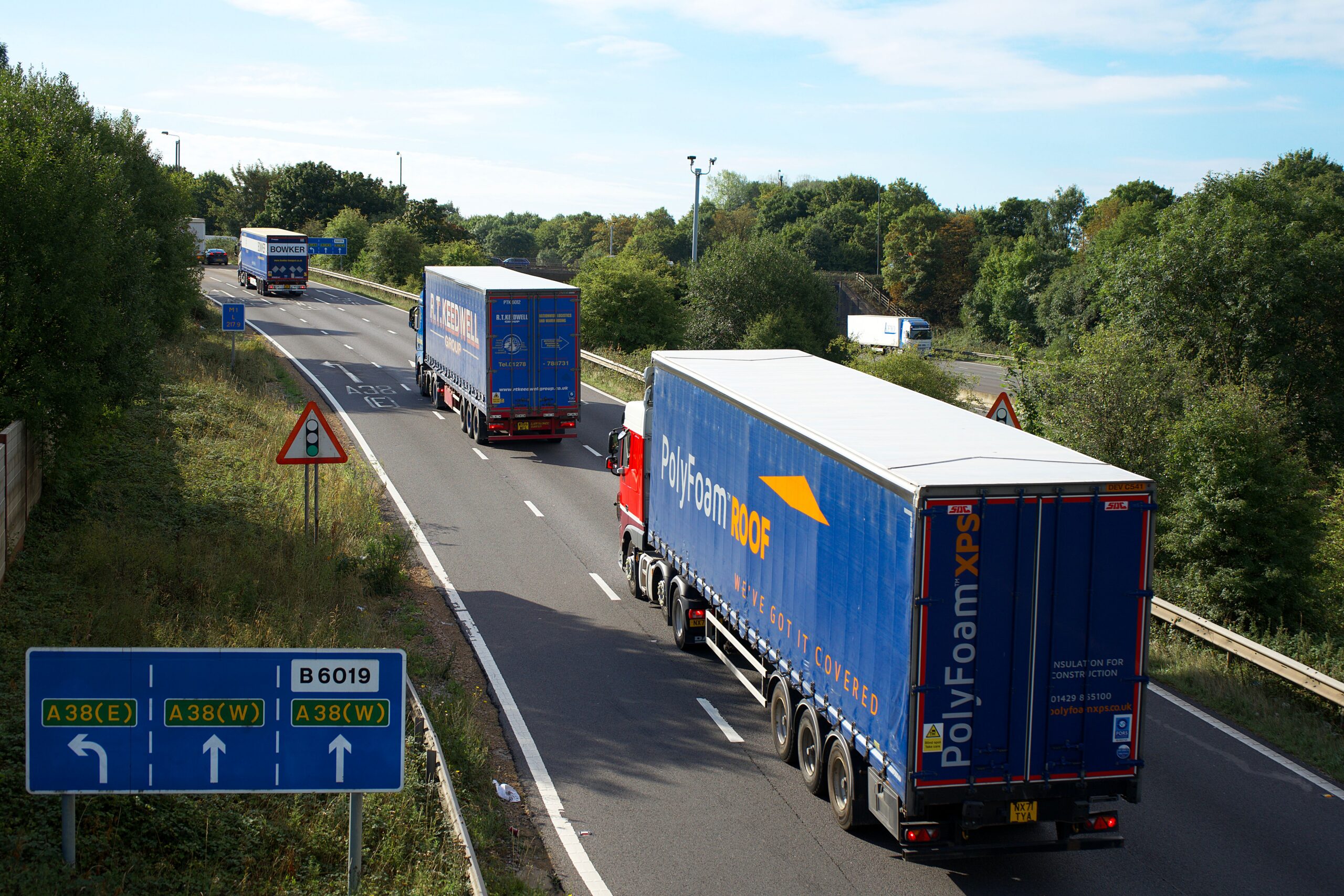
– Complexity and Size: LGV vehicles are much larger and more complex, requiring enhanced spatial awareness and the ability to handle heavier loads. This is a far cry from the smaller, more agile vehicles in standard driving lessons.
– Licence Categories: For LGV, you need a Category C licence (for vehicles over 3.5 tonnes) or Category C+E (for articulated vehicles). This is in addition to having a standard Category B car licence.
– Medical Requirements: LGV drivers must pass a thorough medical examination to ensure they are fit to handle the physical demands of the job. Standard driver’s licences don’t usually require such stringent health checks.
– Theory and Practical Tests: LGV training involves a more comprehensive theory test and a specialist practical driving test with more complex manoeuvres compared to the standard driving test.
– CPC Certification: The Driver Certificate of Professional Competence (CPC) is crucial for LGV drivers, covering both initial qualifications and ongoing periodic training to ensure drivers remain skilled and knowledgeable about safety practices.
Understanding these differences sheds light on why LGV drivers are highly skilled professionals with specialised training geared towards the logistics and transport industry.
To book your LGV training, contact us on 01582 383388 or office@wetrainlgv.co.uk.